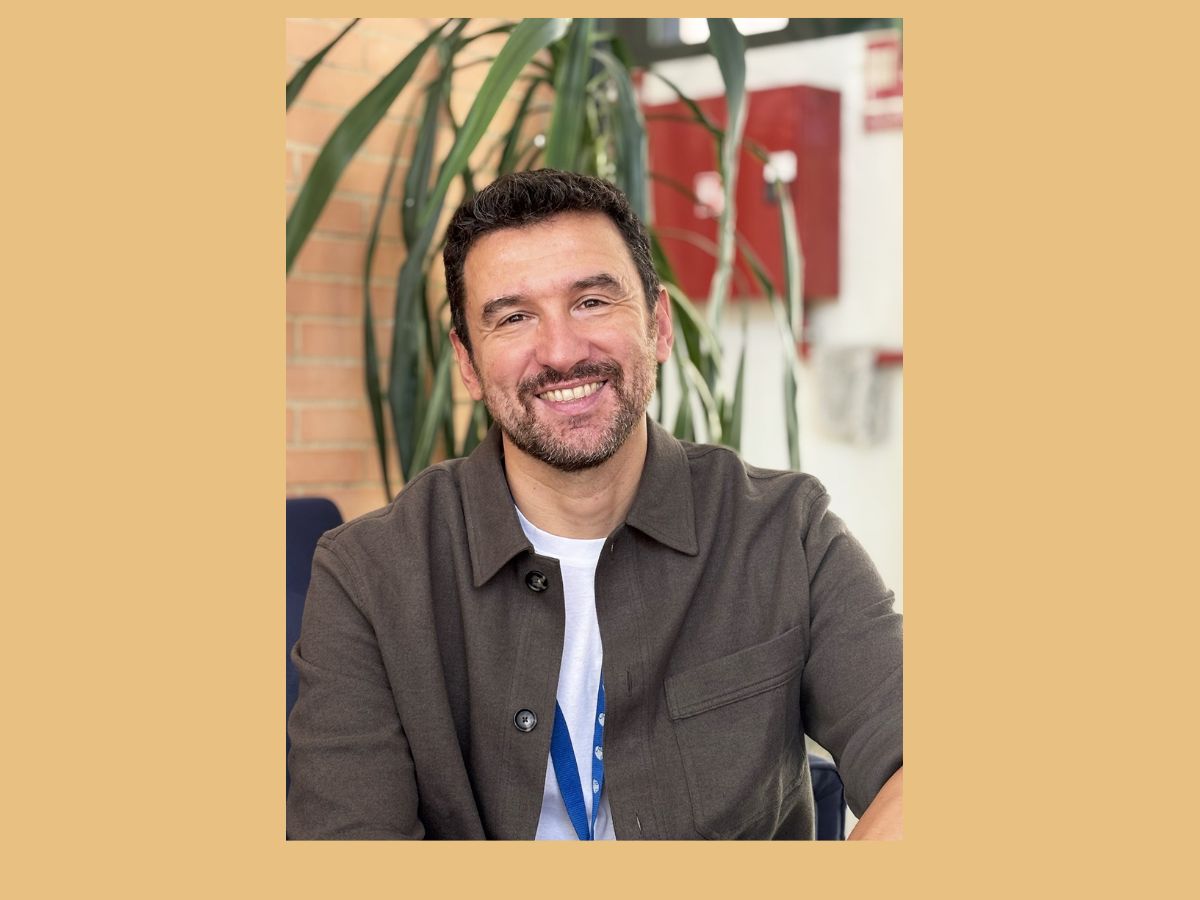
About Dario
Dario Riccardo Valenzano is a Full Professor at Friedrich Schiller University in Jena, Germany, and the Scientific Director of the Leibniz Institute on Aging – Fritz Lipmann Institute (FLI), where he leads research on microbiome and aging. Since 2024, he has served as the Institute’s Director, fostering interdisciplinary studies on aging and evolutionary ecology. Dario earned his PhD in neuroscience from the Scuola Normale Superiore in Italy and conducted postdoctoral research at Stanford University. He later became a group leader at the Max Planck Institute for Biology of Ageing in Cologne before joining FLI in 2021. A pioneer in aging research, Dario developed the African turquoise killifish (Nothobranchius furzeri) as a key model organism to study lifespan evolution and aging. His work has revealed how genetic drift and demographic fluctuations shape aging-related traits and demonstrated that age-related loss of B cell diversity is a conserved feature across vertebrates. Notably, his team discovered that transplanting gut microbes from young to middle-aged killifish extends lifespan and mitigates age-related decline, highlighting the microbiome’s role in aging.Dario’s contributions have earned him the EMBO Young Investigator Award (2018) and the Nathan Shock New Investigator Award (2019). He is an electedmember of the Academy for Health and Lifespan Research and chairs major conferences, such as the Biology of Aging Gordon Research Conference (2023) and the Aging Keystone Meeting (2025). Since 2010, he has conducted field research in Zimbabwe, studying natural killifish populations. His multidisciplinaryapproach integrates evolutionary biology, ecology, and microbiome research, offering transformative insights into longevity and aging across species.
Research
Our research investigates the molecular basis of aging through an evolutionary and ecology-informed perspective, with the goal of identifying mechanisms that are actionable for improving healthspan. Using the African turquoise killifish as a powerful short-lived vertebrate model, we integrate genomics, quantitative genetics, immunology, microbiome studies, and field ecology to understand how evolution shapes aging-related traits.
We study the genomic drivers of brain aging, uncovering a previously unknown role of amyloid-beta in non-pathological brain aging and its potential as a therapeutic target. In the immune system, we revealed that aging in killifish is marked by clonal B cell expansions, reduced diversity, and impaired DNA repair in stem cell progenitors, insights that can guide strategies to improve immune resilience. We demonstrated that gut microbiome transplants from young to middle-aged individuals extend lifespan and mitigate functional decline, underscoring the microbiome as a modifiable component of aging.
Our work also explores reproductive aging, where early-life sperm quality predicts paternal lifespan, and uses CRISPR-based functional genomics to link natural pigmentation traits to aging processes. Through fieldwork in Zimbabwe and the development of the AEGIS evolutionary simulation platform, we connect ecological pressures and genetic drift to the evolution of aging, bridging molecular mechanisms with evolutionary biology.