Hosting Institutions

Created in December 2000, the Centre for Genomic Regulation (CRG) is a globally recognized biomedical research institute whose mission is to discover and advance knowledge for the benefit of society, public health, and economic prosperity.
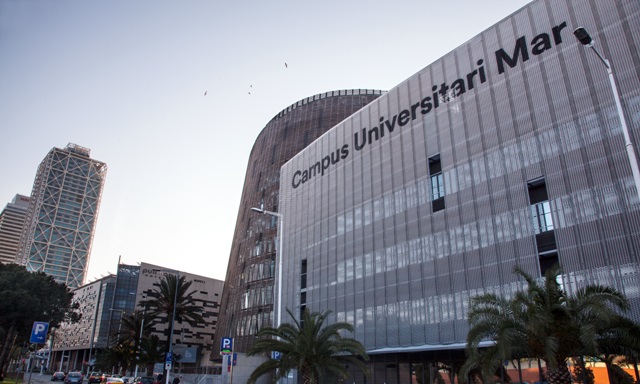
Universitat Pompeu Fabra is a top public university in Barcelona, known for excellence in research and international collaboration. With strong programs in biomedicine, ICT, economics, and social sciences, it hosts leading centers like MELIS and the CRG, driving interdisciplinary innovation.

Chalmers University of Technology, founded in 1829, is a leading Swedish institution offering a wide range of engineering, architecture, and professional programs. With about 11,000 students and 2,500 staff, it awards around 350 PhD and 1,000 Master’s degrees annually.

University College Dublin (UCD) is a top research-intensive university ranked among the world’s top 1%, with over 33,000 students from 144 countries. The UCD O’Brien Centre for Science, Ireland’s largest-ever investment in state-of-the-art molecular research facilities.

The École Normale Supérieure (ENS) is a leading multidisciplinary institution in France, combining research and training with a strong international outlook. With 40 research units, hundreds of doctoral students and foreign researchers, and a legacy of Nobel and Fields Medal laureates, ENS is a founding member of Université PSL.
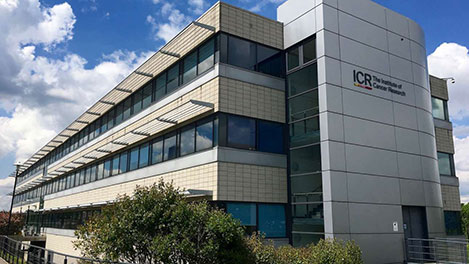
The Institute of Cancer Research (ICR) is a world-leading centre with over a century of pioneering discoveries in cancer genes, drugs, and precision radiotherapy. In partnership with The Royal Marsden, it ranks among the top global centres for cancer research and treatment.

The University of Cambridge is a world-leading institution, consistently ranked among the top five globally and renowned for its history of academic and scientific excellence, with many Nobel laureates among its affiliates.

The University of Lisbon (ULisboa), created in 2013 from the merger of two historic universities, is Portugal’s largest and top-ranked institution, excelling across science, technology, arts, and humanities. Its Faculty of Medicine (FML), the country’s largest medical school, is a core member of the Lisbon Academic Medical Centre (CAML), advancing teaching, research, and clinical innovation.
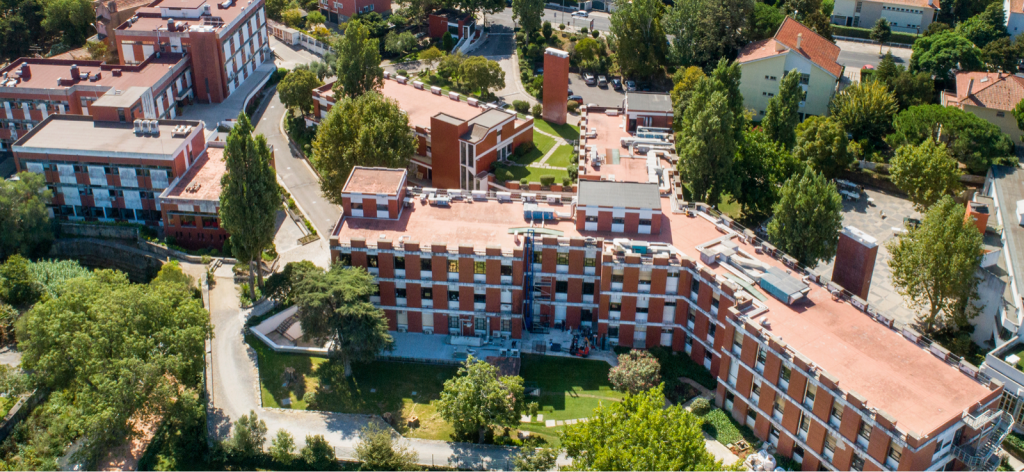
The Gulbenkian Institute for Molecular Medicine (GIMM), founded in 2023 from the merger of iMM and IGC, is a pioneering Portuguese research foundation in molecular medicine. Dedicated to excellence and societal impact, it unites strengths across disciplines to advance fundamental science and improve global health.

Université Paris Cité (UPCité), founded in 2019, is a leading multidisciplinary university with 68,000 students and strong ties to Institut Pasteur, CNRS, and Inserm. It ranks among the world’s top institutions for innovation and research impact.

The Institut Pasteur, founded in 1887 by Louis Pasteur, is a world-renowned non-profit biomedical research foundation with 3,000 staff and 142 research units. Dedicated to improving global health through research, education, and public health, it anchors the international Pasteur Network and counts 10 Nobel laureates among its scientists.
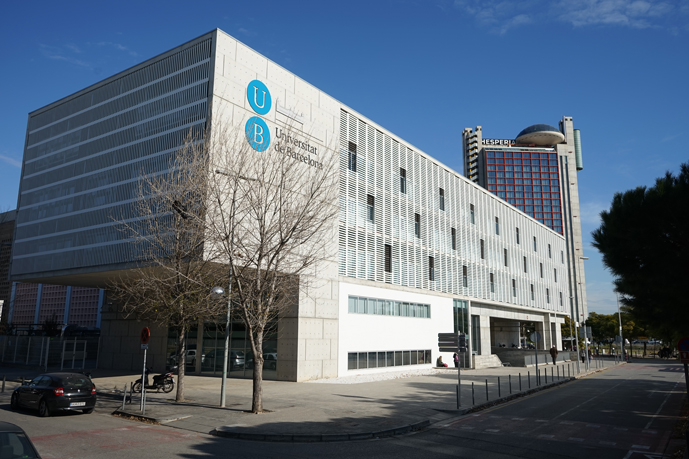
The University of Barcelona (UB) is one of Spain’s top public universities, recognized for research excellence and international impact, especially in biomedicine and health sciences. It plays a key role in European projects and doctoral networks, linking academia, hospitals, and industry.

The Barcelona Supercomputing Center (BSC) is Spain’s national HPC facility and home to the MareNostrum supercomputer. It drives top-level research and European collaboration in supercomputing, bioinformatics, and computational genomics.

Friedrich Schiller University Jena is a leading German university known for excellence in research and teaching across diverse disciplines. With its profile areas “Light, Life, Liberty” and strong collaborations with research, industry, and culture, it drives innovation in an internationally connected city of science.

The Triangle Center for Evolutionary Medicine (TriCEM), based at Duke University and partner institutions across North Carolina, fosters cross-disciplinary collaboration in evolutionary medicine. It promotes innovation, training, and global partnerships to advance research and practice in the field.