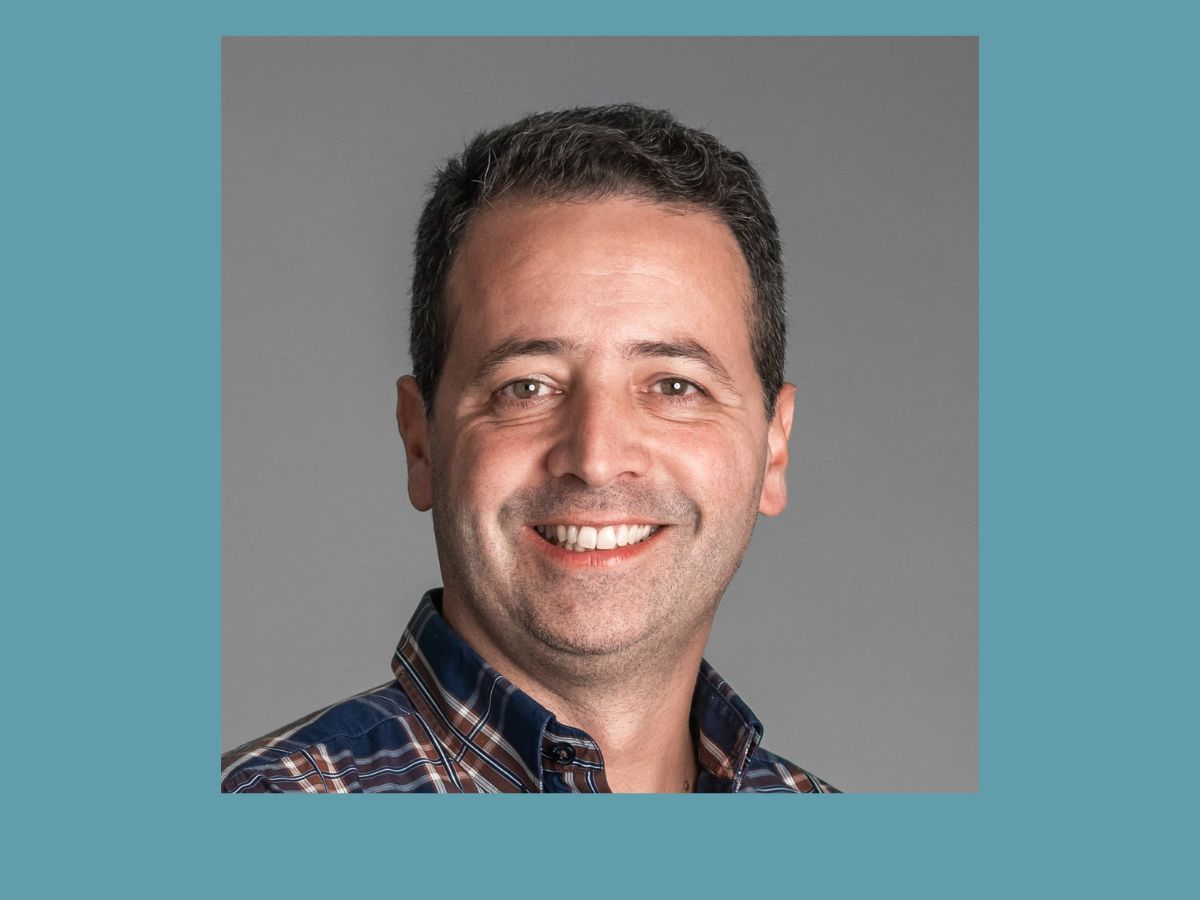
About Nuno
Nuno leads the Disease Transcriptomics Lab at GIMM and is a Guest Associate Professor at the Faculty of Medicine of the University of Lisbon, where he teaches Bioinformatics to Masters in Biomedical Engineering, Oncobiology and Biomedical Research. He coordinates European Commission’s Twinning project BIOMICS, aimed at fostering excellent research, training and innovation in Biomedical Data Science. Nuno graduated in Technologic Physics Engineering from Instituto Superior Técnico (Lisbon) and holds a PhD in Biomedical Sciences (2007) from the Faculty of Medicine of the University of Lisbon. Most of Nuno’s PhD research, involving bioinformatics studies on the complexity of splicing and gene expression, actually took place at the University of Cambridge and included a stint at EMBL Heidelberg. He stayed in Cambridge for a postdoc focused on understanding the complexity of gene expression regulation and its impact on disease mechanisms, namely oncogenesis. He then moved to Toronto, as an awardee of a Postdoctoral Fellowship from the Canadian Institutes of Health Research and a Marie Curie International Outgoing Fellowship, where his research involved the analysis of mRNA-seq data for the inference of tissue and species specific alternative splicing patterns. In 2015, Nuno established the Disease Transcriptomics Lab in Lisbon as an EMBO Installation Grantee.
Research
The Disease Transcriptomics group applies mostly computational approaches, particularly those involving the analysis of high-throughput genomic and transcriptomic data, to fundamental questions in biomedical research. They have a long-term interest in the systems-level transcriptional regulation underlying mammalian cell specification, often perturbed in disease, and aim to understand how RNA-level (transcription initiation, splicing, etc) changes in (mostly) human tissues increase proneness to diseases, namely cancer, neurodegenerative disorders and other ageing-related pathologies. They thereby identify molecular targets for functional exploration in vitro and in vivo, and combine molecular and clinical information for the unveiling of novel candidate prognostic factors and therapeutic targets. Along the way, the group develops tools for assisting non-computational scientists in their analyses of transcriptomic data.